Kids play hard, eat messily, and leave a trail of evidence on their clothes—grass on the knees, ketchup on the collar, marker on the sleeve. If you’ve ever reached for a generic spray and hoped for the best, you’re not alone. The catch: not all stains are the same, and one-size-fits-all cleaners often fall short. The good news is that a few simple rules—and the right approach for each type—can save a lot of clothes (and your sanity).
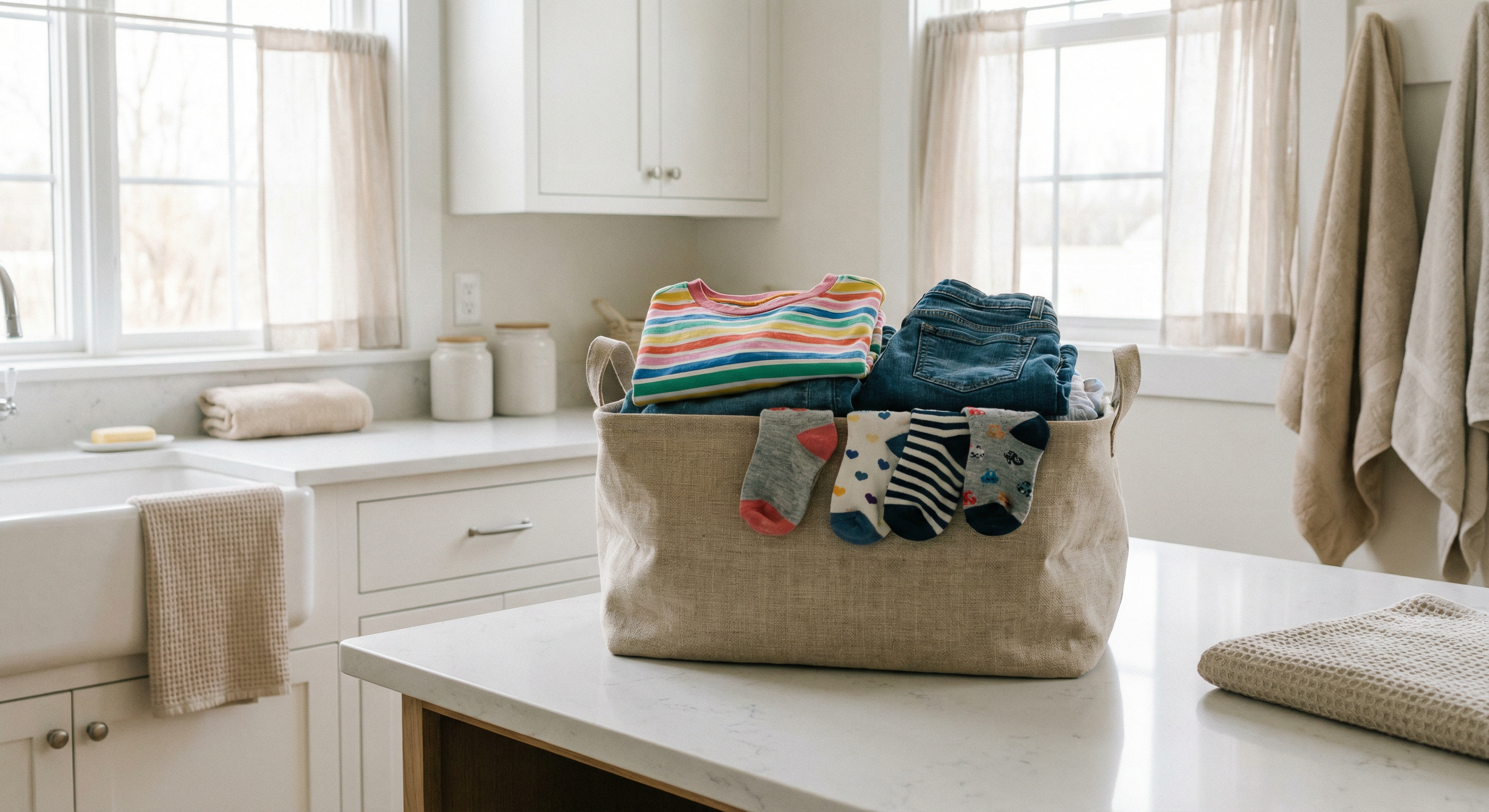
Here’s the mindset that actually works: treat early, match the method to the stain, and never put an item in the dryer until the stain is gone. Heat sets many stains and makes them much harder (or impossible) to remove—same idea as holding off on the dryer for red wine or sweat-stained shirts. Below are the everyday stains parents face and the evidence-based ways to tackle them, so you can fix more and toss less.
Play stains: grass, dirt, and sweat
Grass stains, dirt, and sweat are proof that they’re doing their job—playing. These stains respond well to enzyme-based pre-treatments or soaks. The American Cleaning Institute (ACI) recommends pre-treating or soaking grass stains with a product containing enzymes, then laundering; if the stain persists, use a bleach that’s safe for the fabric. For mud, let it dry, brush off what you can, then pre-treat with detergent paste or liquid detergent and launder. Perspiration benefits from a prewash stain remover or bar soap, then wash in the hottest water safe for the fabric—and for yellowing, sweat-stain tactics (pre-treat, warm wash, no dryer until clear) apply here too.
Art supply stains: marker, crayon, paint, and glue
Markers, crayons, and pen ink need a different approach than glue or paint. For ink, ACI suggests sponging the area around the stain with rubbing alcohol or a cleaning fluid before applying it to the stain, then working from the back of the fabric over paper towels so the ink transfers out. Rinse thoroughly and launder. For crayon (a few spots), treat like candle wax: scrape off what you can, then place the stain between paper towels and press with a warm iron, replacing towels as they absorb wax; or dampen and rub with bar soap, then launder in the hottest water safe for the fabric. Water-based paint can often be rinsed out in warm water while still wet and then laundered; once it’s dry, removal is much harder. Glue and sticky residues often respond to pre-treat or soak with an enzyme product, then launder. Quick action matters—the longer art supplies sit, the tougher they are to remove.
Nail polish and makeup
Nail polish is one of the trickiest. ACI recommends nail polish remover (not on acetate or triacetate fabrics): place the stain facedown on paper towels, apply remover to the back of the stain, replace towels as they absorb, repeat until the stain is gone, then rinse and launder. Makeup and lipstick usually come out with a prewash stain remover or liquid detergent pre-treat, then launder—or rub with bar soap first. The key is treating before the garment goes through a warm wash or dryer, which can set the oils and pigments.
Blood
Use cold water only. Hot water sets blood and can make the stain permanent. For fresh blood, soak in cold water, then launder. For dried blood, pre-treat or soak in warm water with a product containing enzymes, then launder. If the stain remains, rewash with a bleach that’s safe for the fabric. This is one case where “cold first” is non-negotiable.
Juice and other drinks
Spills happen constantly—juice, soda, milk. For beverages in general, sponge or soak in cool water, pre-treat with a prewash stain remover or liquid detergent, then launder (and if safe for the fabric, bleach can help). For fruit and juices, ACI recommends an enzyme pre-treat or soak (at least 30 minutes, or longer for old stains), then launder; if the stain persists, use a bleach safe for the fabric. Same idea as pushing wine out from the back—get liquid out and treat before heat.
Chocolate
Chocolate is fun to eat and stubborn on fabric. Scrape off any excess gently (don’t rub it in). Soak in cool water, then pre-treat with a prewash stain remover and launder in the hottest water safe for the fabric. If the stain remains, rewash with a bleach safe for the fabric. So bring on the s’mores—just treat the stain before the next wash.
Baby stains: formula, urine, vomit
Baby formula, urine, and vomit are protein- and organic-based, so enzyme products are your friend. ACI recommends pre-treating or soaking with a product containing enzymes—at least 30 minutes, or several hours for aged stains—then laundering. For bodily fluids in general, same approach: enzyme pre-treat or soak, then launder with bleach safe for the fabric if needed. Avoid hot water on protein stains before treatment; it can set them.
Food: ketchup, mustard, tomato sauce, pizza
Tomato-based stains are notorious. For ketchup, remove excess with a spoon (don’t rub), then if the garment is washable, run cold water through the stain from the back to push it out—same “rinse from the back” principle as red wine. Avoid dabbing in a way that spreads the stain. For mustard, flush with cold water, pre-treat with a prewash stain remover, then launder in the hottest water safe for the fabric; ACI notes that adding bleach (if safe for the fabric) can help. For greasy or oily food spills, oil-stain tactics apply: work from the back, use detergent or a prewash remover, and launder in the hottest water the care label allows. Don’t put the item in the dryer until the stain is gone—heat sets tomato and oil.
One rule to remember
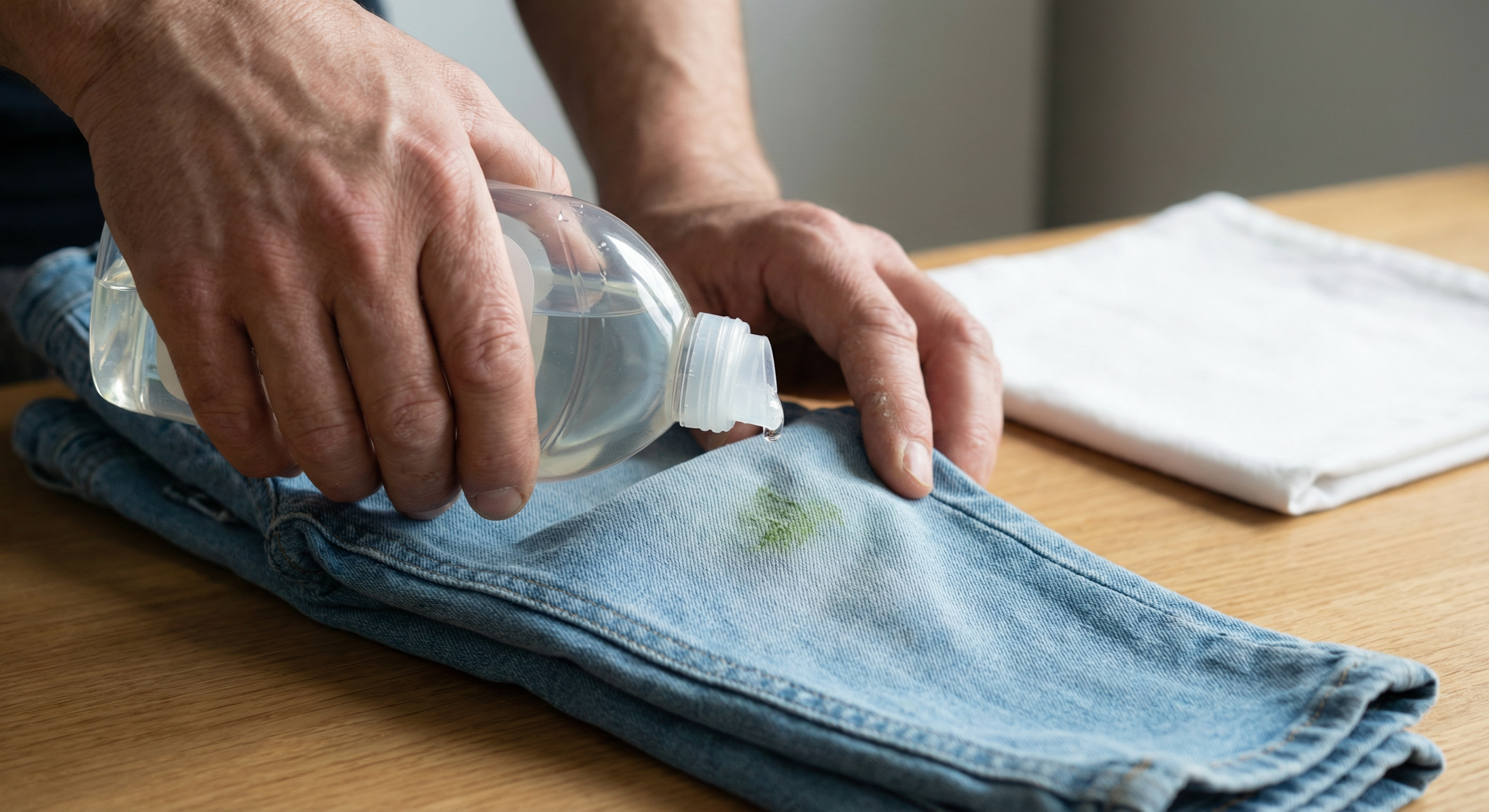
Check before you dry. When the wash cycle ends, look at the stained area in good light. If you still see it, do not machine dry. Air-dry and re-treat. Using the right amount of detergent in the load helps too—enough to lift soil, not so much that residue builds up. And when your washer or towels need a refresh, cleaning the washer and fixing musty towels keep your whole laundry system working in your favor.
Life with kids is messy. Matching the treatment to the stain—cold for blood, enzymes for grass and juice and baby messes, and “rinse from the back” for liquids—and never heat-setting a stain in the dryer will save more clothes and make the daily pile feel a bit more manageable.
Sources
- American Cleaning Institute (ACI): Stain Removal Guide (grass, mud, perspiration, ink, crayon, paint, nail polish, cosmetics, blood, beverages, fruit/juice, chocolate, baby formula, bodily fluids, ketchup, mustard, grease/oil; pre-treat, launder, do not dry until stain is gone).
- How Does She: 16 Stains Parents Deal with Every Day and the Best Ways To Tackle Them (stain categories and parent-focused tips; inspiration for this post).