At some point, every household hits a moment of panic:
- someone’s sick,
- the gym clothes smell “alive,”
- a towel got used for something… suspicious,
- or you found a mystery mess and your brain goes to: “Do I need to disinfect EVERYTHING?”
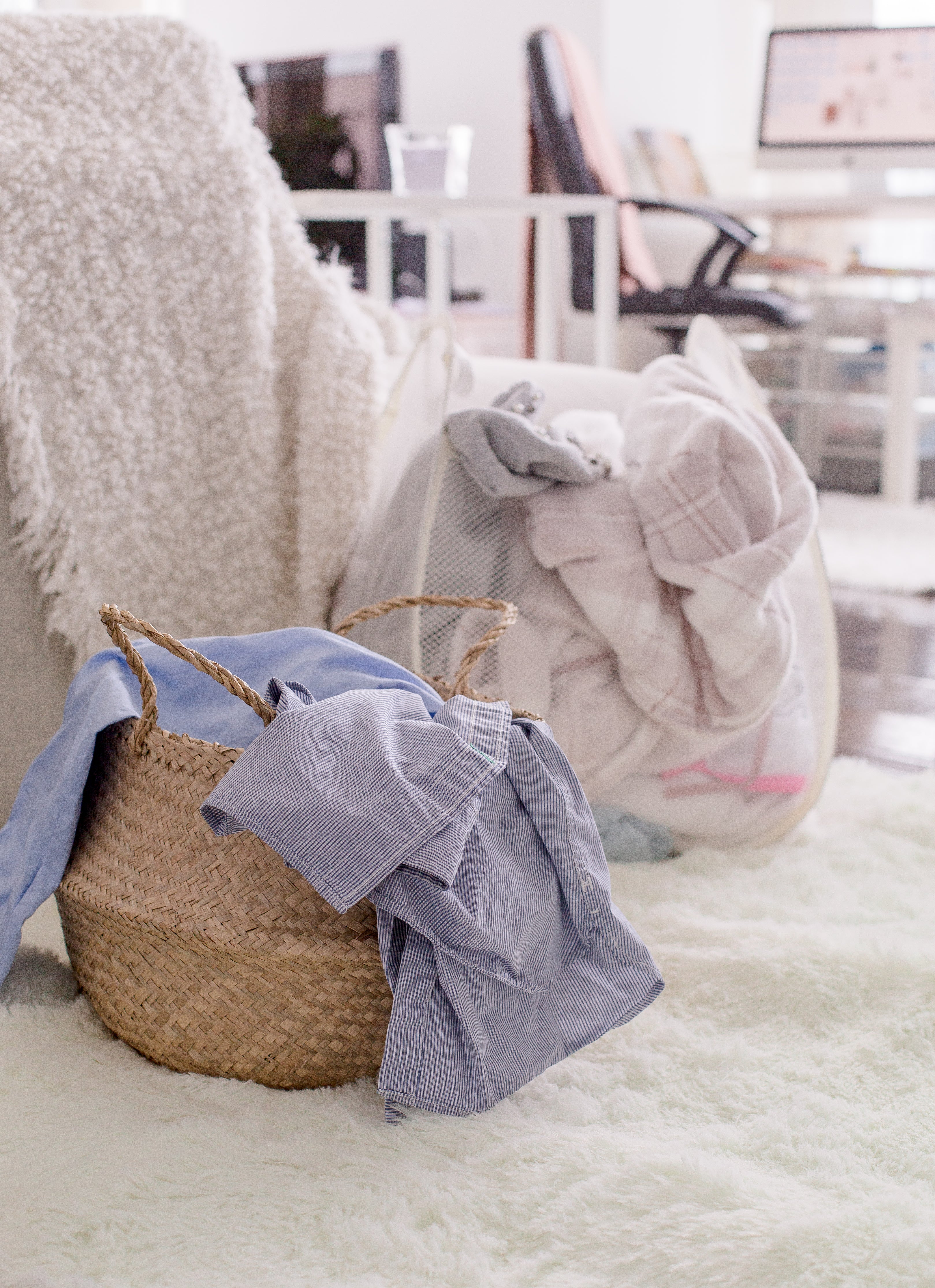
Here’s the calm truth: most everyday laundry doesn’t need special disinfection. But when it does, there’s a right way to do it that’s effective and fabric-friendly.
Step 1: Know when disinfection is actually worth it
Disinfection can be reasonable when:
- Laundry is heavily soiled (e.g., bodily fluids)
- Someone in the home is ill and you’re handling contaminated items
- You’re following medical/public-health guidance for your situation
Otherwise, routine laundering is usually sufficient.
Step 2: The safest “default disinfect” method
Public-health guidance consistently emphasizes two fundamentals:
1) Use the warmest water appropriate for the items (follow care labels)
2) Dry items completely
The CDC also notes safe handling practices such as not shaking soiled laundry (which can disperse contaminants into the air).
Step 3: If you use bleach, do it carefully
Bleach can be effective on appropriate items, but it can also damage fabrics and irritate skin if misused.
Common-sense rules:
- Follow the garment care label (not everything can be bleached)
- Follow the product label for correct dilution and use
- Never mix bleach with other cleaners (especially ammonia-containing products)
If you’re not sure, skip bleach and use the warmest safe wash + thorough drying.
Step 4: Protect yourself while handling the “gross load”
- Wear disposable gloves if you prefer.
- Keep soiled items contained (basket/bag).
- Wash hands after handling.
- Clean any surfaces that were contaminated.
Step 5: Don’t forget the washer
If you’re laundering heavily soiled items, follow your washer manufacturer’s recommended cleaning routine afterwards—especially if you notice odors or residue. Our guide to fixing washer odor walks through gasket, drawer, and tub cleaning step by step.
Quick FAQ
“Does hot water always disinfect?”
It helps, but effectiveness depends on temperature, time, chemistry, and the specific contaminant. The most practical home guidance is still: warmest safe wash + dry thoroughly, and follow public-health guidance for special situations.
“Do I need antibacterial laundry additives?”
Not for most loads. If you’re trying to solve odor, focus first on proper detergent dosing, thorough drying and towel care, and washer cleanliness.
Sources
- CDC — Laundry and bedding guidance (handling, laundering, and “don’t shake” precautions):
https://www.cdc.gov/infection-control/hcp/environmental-control/laundry-bedding.html - EPA Safer Choice — identifying cleaning products that meet the Safer Choice standard:
https://www.epa.gov/saferchoiceand product searchhttps://www.epa.gov/saferchoice/products