Laundry appliances have evolved—smart controls, fabric sensors, steam closets, and microplastic filters are now part of the mix. But which innovations actually change your routine, and which are just nice-to-haves?
Here’s the short version: some features genuinely help—cold-water tech saves energy and protects clothes; self-cleaning cycles and tub-clean modes reduce washer odor; add-on microplastic filters capture fibers before they reach waterways. Others are convenience perks (remote start, steam refresh) that may or may not fit how you do laundry. Sears Home Services outlines many of these innovations; below is what’s worth knowing and how it connects to the habits that already keep your laundry room running—like finding your washer’s filter and using the right amount of detergent.
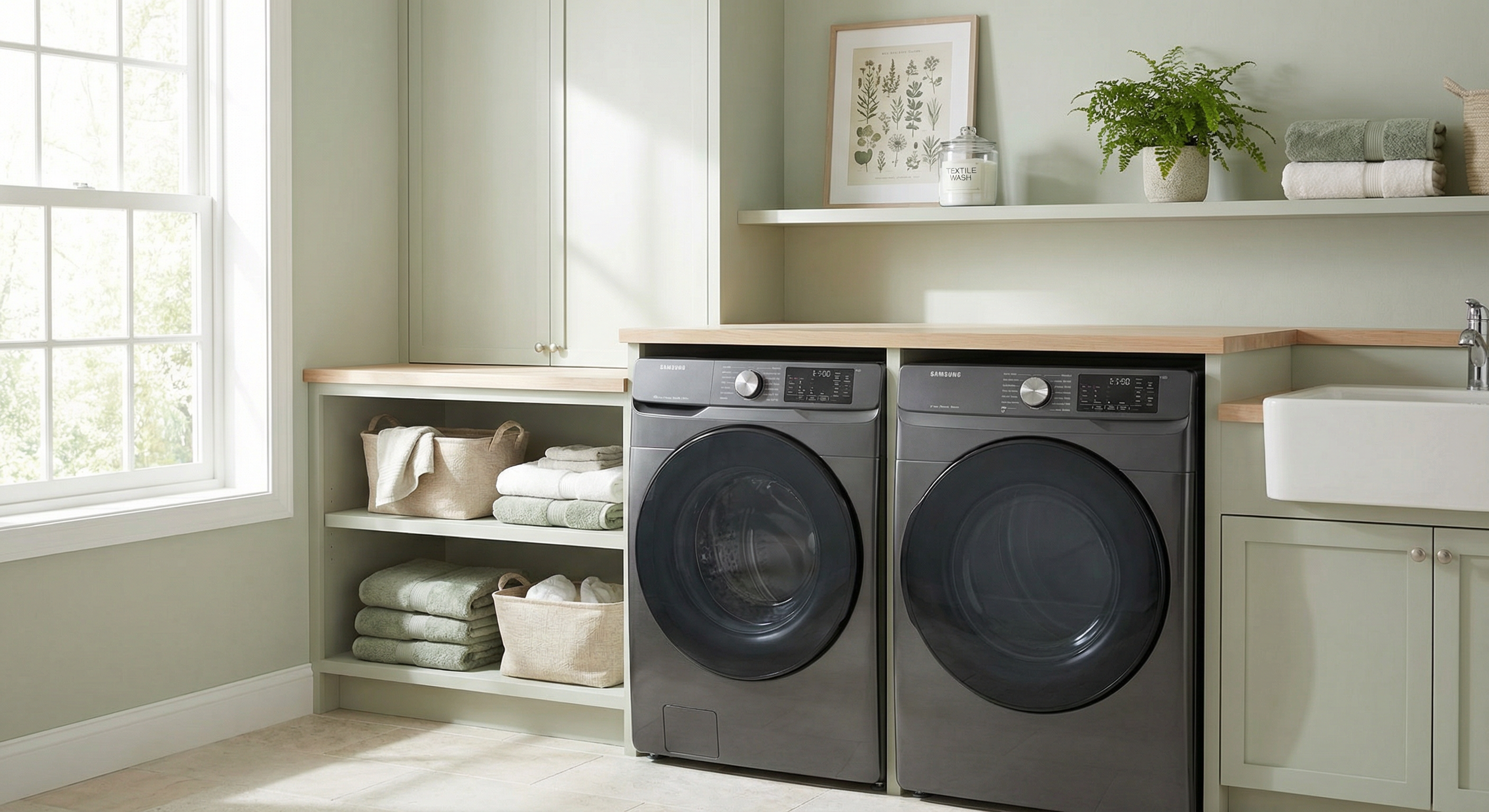
Innovations that genuinely improve laundry (and the planet)
Cold-water wash technology
Washing in cold water is one of the easiest ways to cut energy use and protect fabrics. ENERGY STAR notes that certified washers use about 20% less energy and 30% less water than standard models, and heating water is a big part of a washer’s energy bill. Cold-water cycles also help preserve color and reduce shrinking—which matters for stain removal and sensitive fabrics alike. Many modern detergents are formulated for cold water; if you’re already washing cold, you’re already benefiting. If you’re not, switching even some loads helps.
Self-cleaning washers and tub-clean cycles
Front-load washers are prone to moisture and buildup in the drum, gasket, and dispensers—and that’s where washer odor often starts. Tub-clean or self-cleaning cycles run a hot wash (often with bleach or a dedicated cleaner) to dissolve residue that normal cycles don’t touch. LG’s guidance recommends running tub clean about once a month; Samsung’s Self Clean targets the same problem. Pair this with leaving the door and dispenser open between loads, cleaning the drain filter, and avoiding detergent overdose for a fresher machine.
Add-on filters for microplastic capture
Synthetic fabrics shed tiny fibers in the wash—and those microplastics end up in wastewater and, eventually, oceans. Add-on filters attach to your washer’s discharge hose and trap a large share of those fibers before they leave the machine. Research cited by the National Park Service and The Conversation shows that laundry is a major source of microfiber pollution; filters can capture a significant portion. Brands like Lint LUV-R and PlanetCare offer aftermarket options. They’re an extra step, but if reducing microplastic output matters to you, they’re one of the few direct levers you have at home.
Dirt and fabric sensors
Sensors that detect load size, soil level, and fabric type let the washer adjust water and cycle length automatically. The result: better cleaning where needed and less waste on lighter loads. It’s a useful refinement—not a replacement for loading correctly or choosing the right cycle for stains, but it helps the machine do its job more efficiently.
Convenience features that can make a difference
Smart connectivity (Wi‑Fi, apps)
Remote start, cycle alerts, and maintenance reminders are handy—especially if you’re often away when the wash finishes. They don’t change how clean your clothes get, but they can reduce the “forgot it in the washer” problem and remind you to run tub-clean cycles or check the filter. Worth it if you value that kind of control; skippable if you don’t.
Steam closets and steam refresh
Steam refresh cycles in dryers (or standalone steam closets) can de-wrinkle and deodorize clothes without a full wash—useful for lightly worn items or quick touch-ups. They’re gentle on delicates and can cut down on unnecessary washing. If you already avoid overwashing towels and use dryer balls instead of sheets, steam is another tool for extending wear between washes.
Dryer sanitize cycles
High-heat sanitize cycles target bacteria and allergens—helpful for bedding, towels, or items that can’t be washed often. CDC guidance on laundry emphasizes warm water and thorough drying for infection control; a sanitize cycle adds an extra layer for households that need it. For everyday laundry, it’s often overkill—but for disinfection situations, it’s a solid option.
In-washer faucets and removable agitators
Some washers now include a small faucet inside the drum for pre-treating stains—useful if you often pre-treat before washing. Removable agitators let you switch between aggressive agitation for heavy loads and a gentler, larger-capacity mode for delicates or bulky items. Both are practical for people who do a lot of varied laundry; for simpler routines, they’re nice extras rather than essentials.
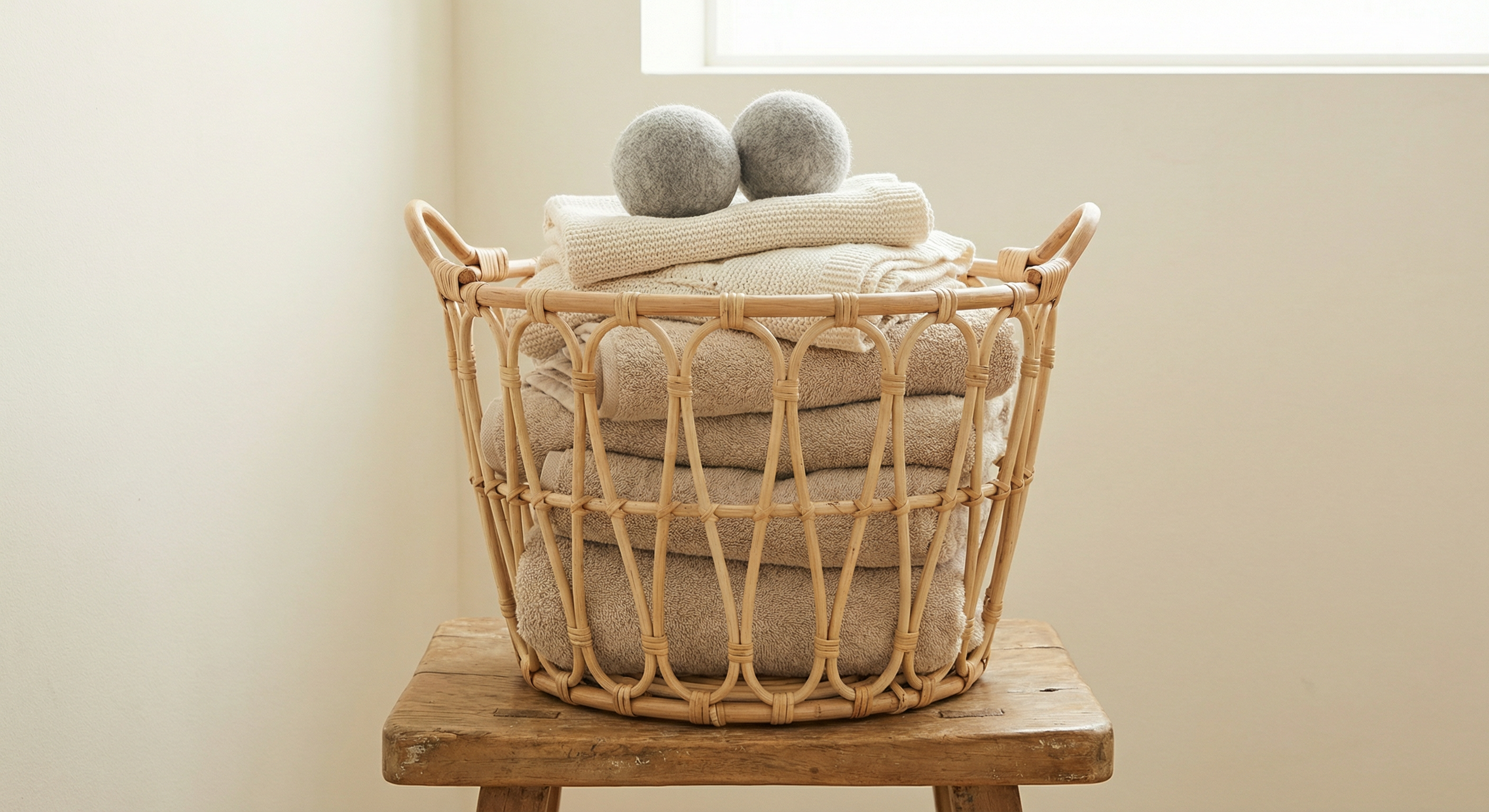
What still matters most: the basics
No amount of tech replaces good habits: the right detergent dose, cleaning your washer and filter, washing in the warmest water the fabric allows when needed, and drying completely. Innovations like cold-water cycles, tub clean, and microplastic filters support those habits—they don’t replace them. And if you’re on a budget, switching to dryer balls and fixing washer odor will often deliver more noticeable results than a new machine.
Quick FAQ
“Should I upgrade just for these features?”
Only if your current machine is failing or you’re planning a replacement anyway. Cold water, tub clean, and good maintenance will improve results on most existing machines. If you’re buying new, prioritize ENERGY STAR models, tub-clean capability, and—if it matters to you—microplastic filtration.
“Do microplastic filters work on all washers?”
Add-on filters attach to the discharge hose; compatibility depends on your washer’s setup and hose location. Check the filter manufacturer’s fit guide for your model before purchasing.
“Is a steam dryer worth it?”
It’s useful for reducing wrinkles and refreshing clothes between washes without a full cycle. If you already air-dry delicates and use dryer balls, steam is an optional convenience—not a requirement.
“How often should I run the tub-clean cycle?”
Most brands suggest about once a month for front-loaders. If you notice odor or buildup, run it more often and pair it with leaving the door open and cleaning the filter.
Sources
- Sears Home Services: Cool New Laundry Innovations You’ll Love (in-washer faucets, smart tech, sensors, steam closets, removable agitators, energy efficiency, cold-water tech, microplastic filters, self-cleaning washers, dryer sanitize).
- ENERGY STAR: Clothes Washers (energy and water savings; certified washer benefits).
- U.S. National Park Service: Reducing Laundry Microfibers (microplastic pollution from laundry; filter and cold-water recommendations).
- The Conversation: Laundry is a top source of microplastic pollution (fiber shedding; sustainable laundry practices).
- LG Support: Odor/Buildup in Front Load Washer (tub clean cycle; maintenance tips).
- Samsung Support: How to Clean Your Samsung Washer (Self Clean cycle; maintenance).
- CDC: Laundry and Bedding (infection control; washing and drying guidance).