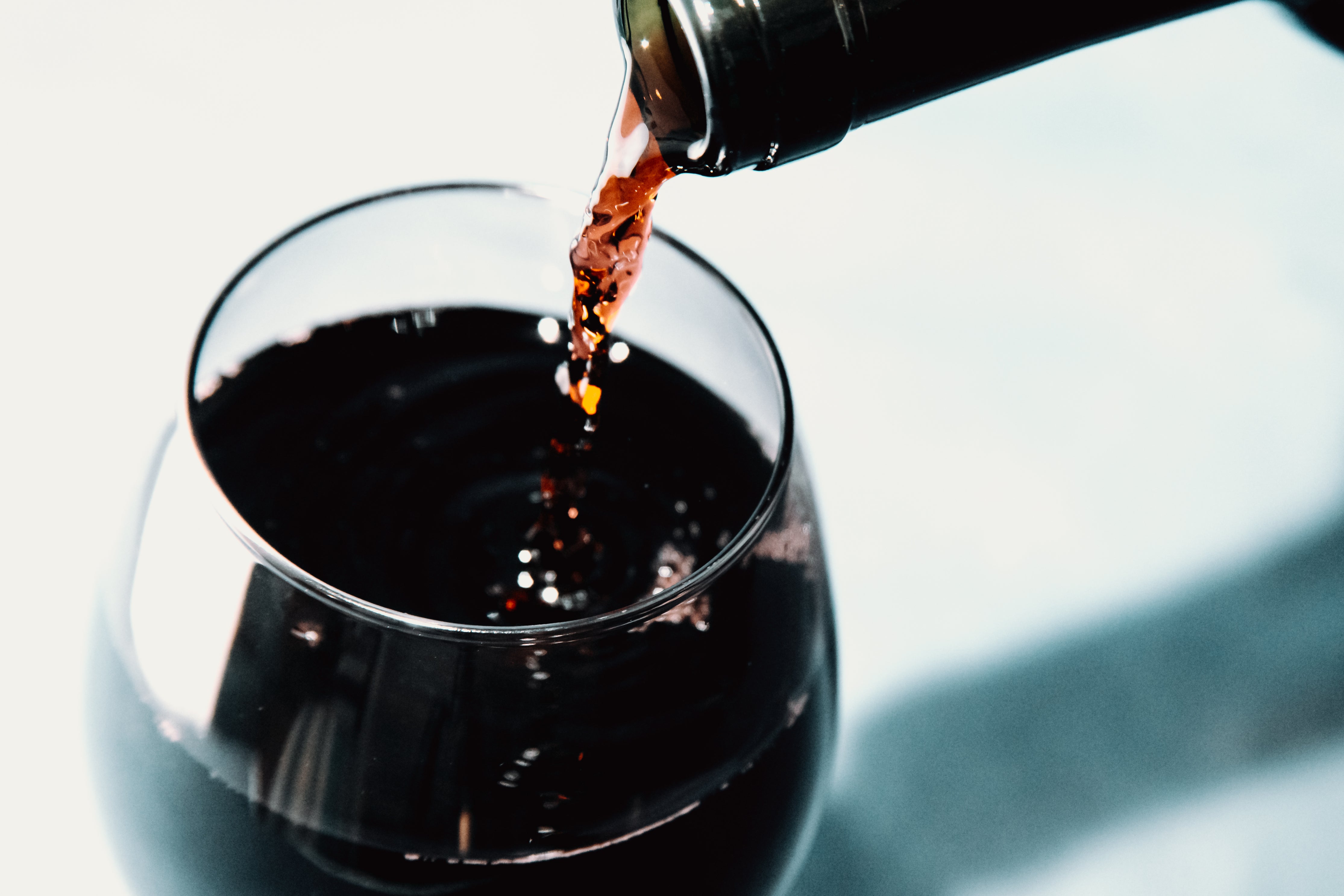
It always happens at the worst time: you’re finally sitting down, the glass tips, and red wine lands exactly where it can’t—your favorite tee, a white couch throw, or the “dry clean only” top you wore because you needed one win this week.
Take a breath. Red wine is annoying, but it’s not magic. The best results come from two boring (and very effective) principles:
- Act fast (fresh stains are easier than dried ones).
- Don’t heat-set it (the dryer is the enemy until the stain is gone).
Below is a simple, low-drama plan you can follow in real time.
Step 1: Blot. Don’t rub. (1 minute)
- Grab a clean white cloth or paper towels.
- Blot straight down to lift liquid.
- Keep switching to a clean spot so you’re not re-depositing wine.
Why: Rubbing pushes pigment deeper into fibers and spreads the stain.
Step 2: Rinse from the back (2 minutes)
If the fabric is washable:
- Hold the stained area under cool running water.
- Rinse from the inside/back of the fabric so the flow pushes wine out, not further in.
If you’re not near a sink:
- Use a water bottle and rinse from the back over the tub, shower, or even a bowl.
Step 3: Pre-treat with liquid detergent (2 minutes)
- Apply a small amount of liquid laundry detergent directly to the stain (using the right amount of detergent matters—too much can leave residue).
- Gently work it in with your fingers.
- Let it sit for 5 minutes.
This is a safe first-line approach for most washable fabrics.
Step 4: Wash (and choose the safest temperature) (time varies)
- Check the care label.
- Wash with the warmest water allowed for that item.
- If the label says cold only, keep it cold—cold can still work; it may just take a repeat.
Step 5: Check BEFORE drying (30 seconds)
When the wash finishes:
- Inspect the stained area in good light.
- If it’s still visible, do not machine dry.
Dryer heat can make stains much harder (or impossible) to remove.
If the stain already dried…
Dried wine isn’t hopeless. It just needs more patience.
- Re-wet the area with cool water.
- Pre-treat with liquid detergent again.
- Wash again (warmest allowed).
If you still see color after two cycles, it’s time to escalate gently.
Gentle escalation options (choose one)
Option A: Oxygen bleach for whites and colorfast items
Oxygen bleach (often sodium percarbonate-based) is a common “step up” for many washable items—especially when stains linger.
- Follow the product’s label directions.
- If a soak is recommended, soak and then wash.
Option B: Get help for “dry clean only”
If the label says dry clean only:
- Blot and rinse with cool water if possible (without soaking the whole garment).
- Bring it to a professional cleaner and tell them it’s red wine and whether you already rinsed.
Professional cleaners have solvents and processes designed for non-washable fabrics.
Quick FAQ (because your brain is tired)
“Should I use hot water?”
Only if the care label allows it. Warmest allowed is the safe rule of thumb for washable items.
“Can I use the dryer if it looks ‘mostly gone’?”
No. If you can see it at all, skip the dryer. Air-dry and re-treat.
“What about my couch / upholstery?”
Upholstery is tricky because soaking can spread the stain into the cushion.
- Blot immediately.
- Use small amounts of cool water to blot/rinse, not pour.
- If the cover is removable and washable, follow the garment steps above.
When in doubt, follow the upholstery manufacturer’s care tag (often W/S/W‑S codes).
Sources
- American Cleaning Institute (ACI): stain removal guide (beverages incl. wine; pretreat, launder, avoid dryer until clear):
https://www.cleaninginstitute.org/cleaning-tips/clothes/stain-removal-guide - CDC: laundry and bedding guidance (handling soiled laundry; laundering and drying principles in infection-control contexts):
https://www.cdc.gov/infection-control/hcp/environmental-control/laundry-bedding.html