If your washer has that sour “gym bag” vibe, you’re not alone—and you’re not “bad at laundry.”
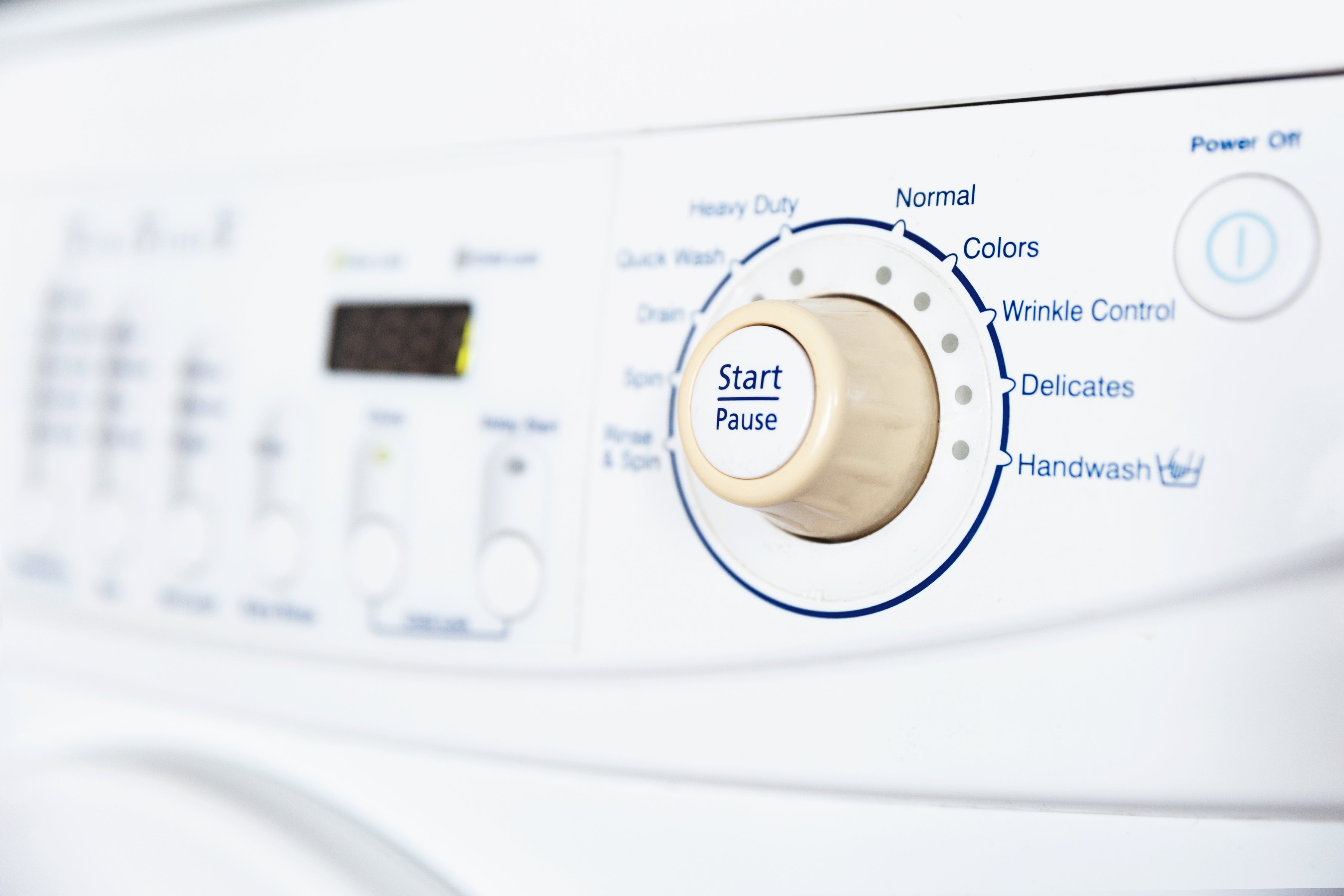
Most washer odor is a simple loop:
Moisture + residue + time = smells.
The fix is not to pour in more fragrance. It’s to remove residue where it hides and make it harder for moisture to linger.
First: the 3 places smells start
1) The door gasket (front-loaders, especially)
That rubber seal traps water, lint, and detergent residue. It’s basically a tiny swamp if it never dries.
2) The detergent drawer / dispenser
Liquid detergent and softener can leave buildup. Buildup holds moisture. Moisture smells.
3) The drum and internal plumbing
Detergent residue + low-temperature washing can allow biofilm to form over time.
The “fresh washer” reset (20 minutes of effort)
Step 1: Clean the gasket and visible grime
- Wipe the gasket folds with a damp cloth.
- Look for trapped lint or debris and remove it.
Step 2: Clean the detergent drawer/dispenser
- Remove the drawer if your model allows it.
- Rinse off residue and wipe the cavity.
Step 3: Run the machine’s cleaning cycle
Many washers have a Clean Washer / Tub Clean cycle.
- Use that cycle if available.
- Follow the manufacturer’s guidance for what cleaner to use and how often.
Why: manufacturers design cleaning cycles for their machines’ water levels and agitation patterns.
Whirlpool, for example, recommends routine cleaning to address residue buildup and odors and provides step-by-step guidance (you should still follow your model’s manual).
The habits that keep the smell from coming back
Habit 1: Stop overdosing detergent
More soap does not mean cleaner clothes. Extra detergent can leave residue that feeds the smell cycle. Using the right amount of detergent is one of the biggest fixes for both washer odor and stiff or smelly towels.
Measure according to the detergent label and your load size/soil level.
Habit 2: Let the machine dry
- Leave the door cracked open between loads (when safe).
- Leave the detergent drawer slightly open to dry.
Habit 3: Don’t marinate wet laundry overnight
If clothes sit wet in the drum for hours, odor builds fast—then the washer smells, too. The same idea applies to towels: if they stay damp, they can develop a musty smell even after a “clean” wash.
Habit 4: Warm/hot cycles sometimes matter
Cold washes can be fine, but if every load is cold and you’re also overdosing detergent, residue can accumulate faster. Mix in warmer cycles when the care label allows.
Quick FAQ
“Should I use vinegar or baking soda?”
Some people do, but manufacturers often recommend specific cleaners and methods. The safest guidance is: follow your washer manufacturer’s instructions for cleaning cycles and approved products.
“Is washer odor dangerous?”
Usually it’s just unpleasant. If you see heavy mold growth, have respiratory sensitivities, or the smell persists after proper cleaning, consider contacting the manufacturer or a qualified appliance technician.
Sources
- Whirlpool: how to clean a washing machine (including odor/buildup prevention):
https://www.whirlpool.com/blog/washers-and-dryers/clean-washing-machine.html - CDC infection-control laundry guidance (handling and avoiding aerosolizing contaminants; general laundering principles):
https://www.cdc.gov/infection-control/hcp/environmental-control/laundry-bedding.html